
Respiratory Function Tests
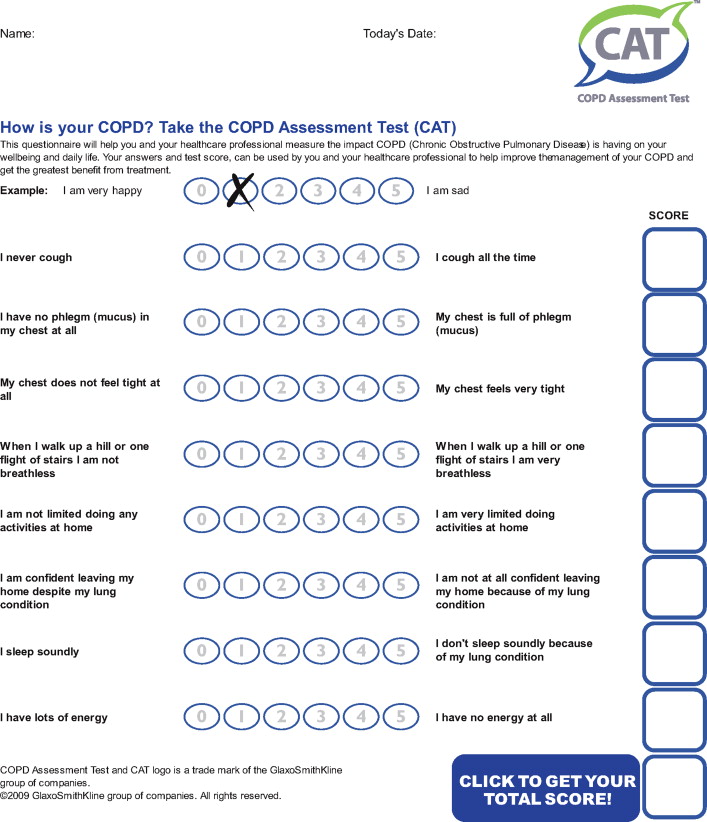
Respiratory function tests, also known as lung function tests, are a group of tests that measure how well the lungs are working. These tests are essential for diagnosing and monitoring lung diseases such as asthma, chronic obstructive pulmonary disease (COPD), and other conditions affecting breathing.
Spirometry:
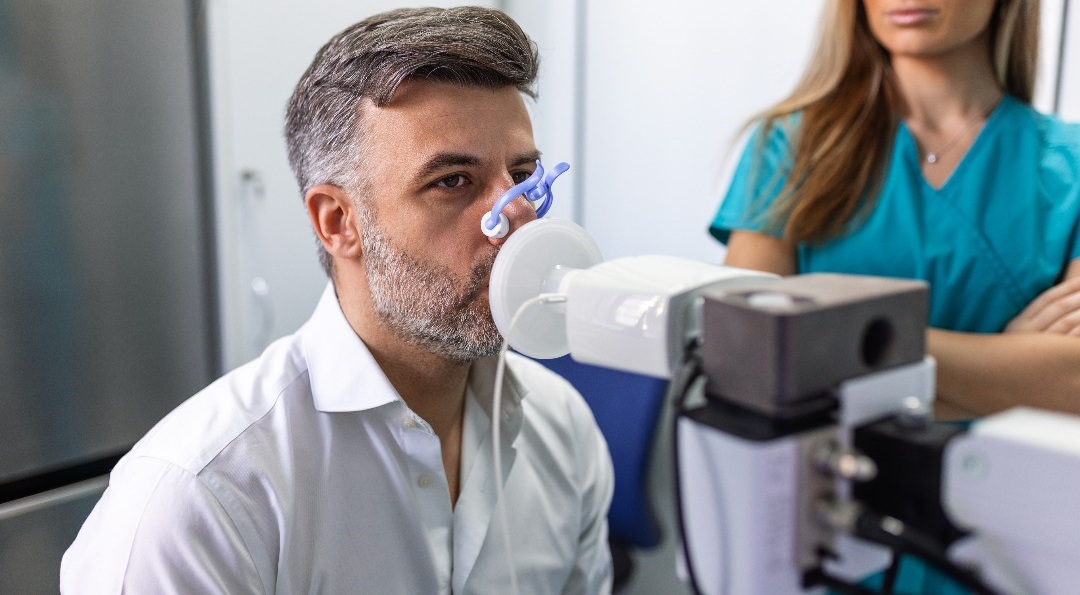
Spirometry is the most common respiratory function test. It measures the amount (volume) and speed (flow) of air that can be inhaled and exhaled. The patient will sit in a chair and a soft clip will be placed on their nose to ensure they breathe through their mouth. They will then be given a mouthpiece connected to a spirometer. The patient should place their lips tightly around the mouthpiece and breathe in and out as instructed. The spirometer records the amount and rate of air flow over time. The American Thoracic Society and European Respiratory Society recommend that patients should “blast” the air out of their lungs without hesitation and continue to exhale fully, with continuous coaching from the operator to ensure maximal effort.
Lung Volume (Body Plethysmography):
This test measures the total volume of air in the lungs. The patient will sit in a clear, airtight room that looks like a telephone booth. Similar to spirometry, a nose clip is used, and the patient breathes through a mouthpiece connected to a machine. The pressure changes inside the room help measure lung volume.
Gas Diffusion Test:
This test assesses how well the lungs transfer gas from inhaled air to the bloodstream. The patient will wear a mouthpiece connected to a machine and inhale a small, non-dangerous amount of gas, such as carbon monoxide. Measurements are taken as the patient breathes in and out.
See more information about lung function tests below:
American Thoracic Society | Pulmonary Function Tests
References:
Standardization of Spirometry 2019 Update. An Official American Thoracic Society and European Respiratory Society Technical Statement. Graham BL, Steenbruggen I, Miller MR, et al. American Journal of Respiratory and Critical Care Medicine. 2019;200(8):e70-e88. doi:10.1164/rccm.201908-1590ST.
Standardisation of Spirometry. Miller MR, Hankinson J, Brusasco V, et al. The European Respiratory Journal. 2005;26(2):319-38. doi:10.1183/09031936.05.00034805.
CPET( Cardiopulmonary Exercise Test):
Cardiopulmonary Exercise Testing (CPET) is a specialized form of exercise testing that evaluates how well the heart, lungs, and muscles work together during physical activity. It is increasingly used in clinical settings to assess patients with unexplained exercise intolerance, evaluate the severity of respiratory or cardiovascular diseases, and guide rehabilitation programs. CPET provides a comprehensive assessment that is not achievable through resting measurements alone.It involves having the patient perform incremental exercise, typically on a treadmill or cycle ergometer, while measuring ventilatory gas exchange, heart rate, blood pressure, and electrocardiographic responses. The test includes a resting phase, an unloaded phase, an incremental exercise phase, and a recovery phase.
Clinical Applications
CPET is utilized for various clinical purposes, including:
Diagnosing Exercise Intolerance: Helps identify the underlying causes of unexplained shortness of breath or fatigue during physical activity.
Assessing Functional Capacity: Provides objective data on a patient’s exercise capacity, which is crucial for rehabilitation and exercise prescription.
Preoperative Assessment: Evaluates a patient’s risk for complications during surgery, particularly in those with known heart or lung conditions.
Monitoring Treatment Response: Assesses how well a patient is responding to treatments for chronic respiratory or cardiovascular diseases.
Methodology
CPET typically involves the following steps:
1- Preparation:
Patients are instructed to avoid heavy meals, caffeine, and strenuous exercise before the test.
Testing Equipment: The test is usually conducted on a treadmill or stationary bike, where the patient exercises while their heart rate, oxygen consumption, and other parameters are monitored.
2- Data Collection:
Measurements are taken at rest and during incremental exercise until the patient reaches their maximum effort or experiences significant symptoms.
Interpretation: The results are analyzed to determine the patient’s exercise capacity and identify any abnormalities in the cardiopulmonary response to exercise.
How does a lung function test work?
https://lungfoundation.com.au/articles/how-does-a-lung-function-test-work/
More and useful information about lung function test:
https://site.thoracic.org/advocacy-patients/patient-resources/pulmonary-function-tests
Methodology
CPET typically involves the following steps:
Preparation: Patients are instructed to avoid heavy meals, caffeine, and strenuous exercise before the test.
Testing Equipment: The test is usually conducted on a treadmill or stationary bike, where the patient exercises while their heart rate, oxygen consumption, and other parameters are monitored.
Data Collection: Measurements are taken at rest and during incremental exercise until the patient reaches their maximum effort or experiences significant symptoms.
Interpretation: The results are analyzed to determine the patient’s exercise capacity and identify any abnormalities in the cardiopulmonary response to exercise.
You can see more information below:
https://site.thoracic.org/advocacy-patients/patient-resources/cardiopulmonary-exercise-testing-cpet
References
Stickland MK, et al. Using Cardiopulmonary Exercise Testing to Understand Dyspnea and Exercise Intolerance in Respiratory Disease. Chest. 2022.
Agostoni P, Dumitrescu D. How to Perform and Report a Cardiopulmonary Exercise Test in Patients With Chronic Heart Failure. International Journal of Cardiology. 2019.
Ross R, et al. Importance of Assessing Cardiorespiratory Fitness in Clinical Practice: A Scientific Statement From the American Heart Association. Circulation. 2016.
Mezzani A. Cardiopulmonary Exercise Testing: Basics of Methodology and Measurements. Annals of the American Thoracic Society. 2017.
Neder JA. Cardiopulmonary Exercise Testing Applied to Respiratory Medicine: Myths and Facts. Respiratory Medicine. 2023.
Sietsema KE, Rossiter HB. Exercise Physiology and Cardiopulmonary Exercise Testing. Seminars in Respiratory and Critical Care Medicine. 2023.
Radtke T, et al. ERS Statement on Standardisation of Cardiopulmonary Exercise Testing in Chronic Lung Diseases. European Respiratory Review. 2019.
Fletcher GF, et al. Exercise Standards for Testing and Training: A Scientific Statement From the American Heart Association. Circulation. 2013.
Guazzi M, et al. Cardiopulmonary Exercise Testing: What Is Its Value? Journal of the American College of Cardiology. 2017.
Thompson A, et al. 2024 AHA/ACC/ACS/ASNC/HRS/SCA/SCCT/SCMR/SVM Guideline for Perioperative Cardiovascular Management for Noncardiac Surgery. Journal of the American College of Cardiology. 2024.
Brunelli A, et al. Physiologic Evaluation of the Patient With Lung Cancer Being Considered for Resectional Surgery: Diagnosis and Management of Lung Cancer, 3rd Ed: American College of Chest Physicians Evidence-Based Clinical Practice Guidelines. Chest. 2013.
CPET( Cardiopulmonary Exercise Test):
Cardiopulmonary Exercise Testing (CPET) is a specialized form of exercise testing that evaluates how well the heart, lungs, and muscles work together during physical activity. It is increasingly used in clinical settings to assess patients with unexplained exercise intolerance, evaluate the severity of respiratory or cardiovascular diseases, and guide rehabilitation programs. CPET provides a comprehensive assessment that is not achievable through resting measurements alone.It involves having the patient perform incremental exercise, typically on a treadmill or cycle ergometer, while measuring ventilatory gas exchange, heart rate, blood pressure, and electrocardiographic responses. The test includes a resting phase, an unloaded phase, an incremental exercise phase, and a recovery phase.
Clinical Applications
CPET is utilized for various clinical purposes, including:
Diagnosing Exercise Intolerance: Helps identify the underlying causes of unexplained shortness of breath or fatigue during physical activity.
Assessing Functional Capacity: Provides objective data on a patient’s exercise capacity, which is crucial for rehabilitation and exercise prescription.
Preoperative Assessment: Evaluates a patient’s risk for complications during surgery, particularly in those with known heart or lung conditions.
Monitoring Treatment Response: Assesses how well a patient is responding to treatments for chronic respiratory or cardiovascular diseases.
Methodology

CPET typically involves the following steps:
1- Preparation:
Patients are instructed to avoid heavy meals, caffeine, and strenuous exercise before the test.
Testing Equipment: The test is usually conducted on a treadmill or stationary bike, where the patient exercises while their heart rate, oxygen consumption, and other parameters are monitored.
2- Data Collection:
Measurements are taken at rest and during incremental exercise until the patient reaches their maximum effort or experiences significant symptoms.
Interpretation: The results are analyzed to determine the patient’s exercise capacity and identify any abnormalities in the cardiopulmonary response to exercise.
How does a lung function test work?
https://lungfoundation.com.au/articles/how-does-a-lung-function-test-work/
More and useful information about lung function test:
https://site.thoracic.org/advocacy-patients/patient-resources/pulmonary-function-tests
CPET( Cardiopulmonary Exercise Test):
Cardiopulmonary Exercise Testing (CPET) is a specialized form of exercise testing that evaluates how well the heart, lungs, and muscles work together during physical activity. It is increasingly used in clinical settings to assess patients with unexplained exercise intolerance, evaluate the severity of respiratory or cardiovascular diseases, and guide rehabilitation programs. CPET provides a comprehensive assessment that is not achievable through resting measurements alone.It involves having the patient perform incremental exercise, typically on a treadmill or cycle ergometer, while measuring ventilatory gas exchange, heart rate, blood pressure, and electrocardiographic responses. The test includes a resting phase, an unloaded phase, an incremental exercise phase, and a recovery phase.
Clinical Applications
CPET is utilized for various clinical purposes, including:Diagnosing Exercise Intolerance: Helps identify the underlying causes of unexplained shortness of breath or fatigue during physical activity.
Assessing Functional Capacity: Provides objective data on a patient’s exercise capacity, which is crucial for rehabilitation and exercise prescription.
Preoperative Assessment: Evaluates a patient’s risk for complications during surgery, particularly in those with known heart or lung conditions.
Monitoring Treatment Response: Assesses how well a patient is responding to treatments for chronic respiratory or cardiovascular diseases.
Methodology
CPET typically involves the following steps:
Preparation: Patients are instructed to avoid heavy meals, caffeine, and strenuous exercise before the test.
Testing Equipment: The test is usually conducted on a treadmill or stationary bike, where the patient exercises while their heart rate, oxygen consumption, and other parameters are monitored.
Data Collection: Measurements are taken at rest and during incremental exercise until the patient reaches their maximum effort or experiences significant symptoms.
Interpretation: The results are analyzed to determine the patient’s exercise capacity and identify any abnormalities in the cardiopulmonary response to exercise.
You can see more information below:
https://site.thoracic.org/advocacy-patients/patient-resources/cardiopulmonary-exercise-testing-cpet
References
- Stickland MK, et al. Using Cardiopulmonary Exercise Testing to Understand Dyspnea and Exercise Intolerance in Respiratory Disease. Chest. 2022.[1]
- Agostoni P, Dumitrescu D. How to Perform and Report a Cardiopulmonary Exercise Test in Patients With Chronic Heart Failure. International Journal of Cardiology. 2019.[11]
- Ross R, et al. Importance of Assessing Cardiorespiratory Fitness in Clinical Practice: A Scientific Statement From the American Heart Association. Circulation. 2016.[3]
- Mezzani A. Cardiopulmonary Exercise Testing: Basics of Methodology and Measurements. Annals of the American Thoracic Society. 2017.[8]
- Neder JA. Cardiopulmonary Exercise Testing Applied to Respiratory Medicine: Myths and Facts. Respiratory Medicine. 2023.[2]
- Sietsema KE, Rossiter HB. Exercise Physiology and Cardiopulmonary Exercise Testing. Seminars in Respiratory and Critical Care Medicine. 2023.[10]
- Radtke T, et al. ERS Statement on Standardisation of Cardiopulmonary Exercise Testing in Chronic Lung Diseases. European Respiratory Review. 2019.[4]
- Fletcher GF, et al. Exercise Standards for Testing and Training: A Scientific Statement From the American Heart Association. Circulation. 2013.[9]
- Guazzi M, et al. Cardiopulmonary Exercise Testing: What Is Its Value? Journal of the American College of Cardiology. 2017.[7]
- Thompson A, et al. 2024 AHA/ACC/ACS/ASNC/HRS/SCA/SCCT/SCMR/SVM Guideline for Perioperative Cardiovascular Management for Noncardiac Surgery. Journal of the American College of Cardiology. 2024.[5]
- Brunelli A, et al. Physiologic Evaluation of the Patient With Lung Cancer Being Considered for Resectional Surgery: Diagnosis and Management of Lung Cancer, 3rd Ed: American College of Chest Physicians Evidence-Based Clinical Practice Guidelines. Chest. 2013.[6]

Strong international expertise

Skilled in managing complex conditions

Patient-centred, clear, and trustworthy care